

We live in a world where sugar is hiding in almost everything, from everyday condiments and dressings to packaged snacks and bakery items. While occasional treats are a joyful part of life, constant blood sugar spikes leave you feeling drained, moody, and reaching for quick energy fixes.
Managing your blood sugar isn’t about extreme deprivation or cutting out every bit of joy from your diet. Instead, it’s about making small, sustainable daily shifts that help your body maintain steady energy and metabolic balance.
If you’re looking for natural, realistic ways to keep your glucose levels in check, here are gentle, evidence-based habits and traditional remedies you can easily incorporate into your routine.
Step 1: Don’t eat carbs “naked”
The essential rule for glycemic control is this: Never consume carbohydrates alone. Carbohydrates (like bread, fruit, oats, pasta, and rice) break down into glucose quickly, causing a sharp blood sugar rise. To prevent this, always pair your carbs with protein, healthy fats, or dietary fiber. This combination slows down gastric emptying and delays the rate at which glucose enters your bloodstream.
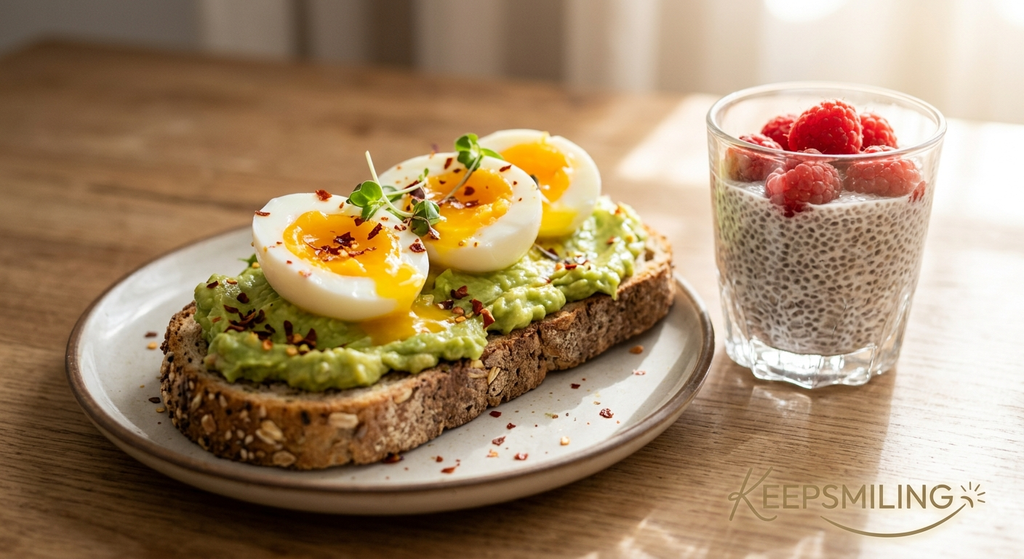
- Practical Tip: Instead of having a piece of fruit on its own as a snack, pair apple slices with almond butter or a handful of walnuts. When enjoying whole-wheat toast, top it with mashed avocado and a boiled or poached egg.
Step 2: Harness traditional Ayurvedic herbs & morning tonics
Traditional wellness systems have relied for centuries on time-tested botanicals to enhance metabolic health, improve insulin sensitivity, and support pancreatic function:
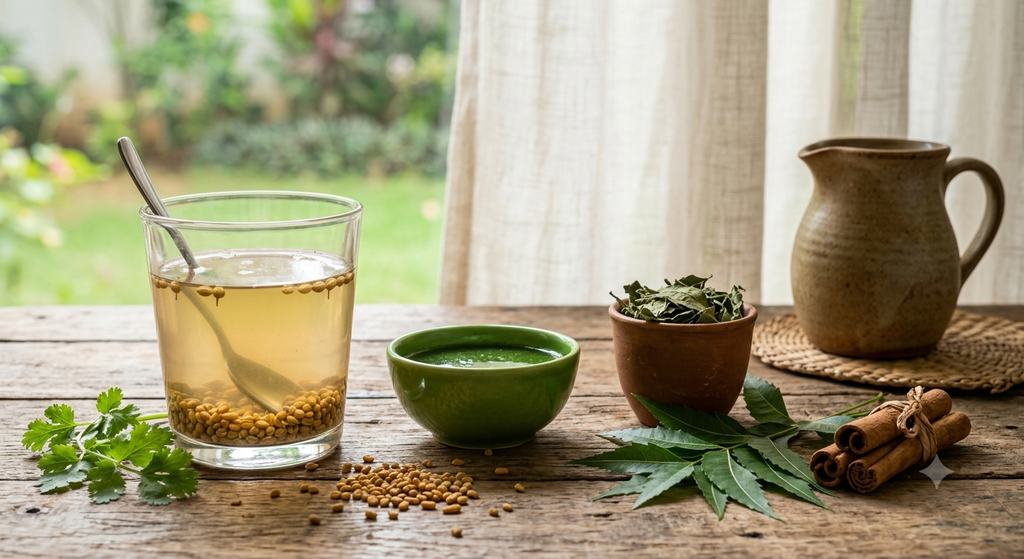
- Coriander Water & Fenugreek (Methi): Soaking 1 tablespoon of whole coriander or fenugreek seeds overnight creates an infusion rich in soluble fiber and active plant compounds that slow down sugar absorption. Drink this on an empty stomach.
- Gudmar (Gymnema Sylvestre): Widely known in Ayurveda as the “sugar destroyer,” this herb helps block sweet receptors on the tongue, curbs sugar cravings, and supports healthy glucose metabolism in the intestines.
- Karela (Bitter Gourd) & Jamun: Fresh bitter gourd juice or a traditional Karela-Jamun blend contains plant-based compounds that mimic insulin action and help lower post-meal glucose spikes
- Neem and Cinnamon: Chewing a few tender neem leaves or adding a pinch of Ceylon cinnamon to your meals helps stimulate cellular glucose uptake and maintains steady energy.
Step 3: Take a post-meal “glucose stroll”
One of the most effective tools for blood sugar management is light movement right after eating. When your muscles contract—especially right after a meal when blood glucose peaks—they absorb glucose directly from your bloodstream for energy without relying heavily on insulin.
- Practical Tip: You don’t need an intense workout. A casual 10-to-15-minute walk around your neighborhood or park right after lunch or dinner significantly flattens post-meal sugar spikes.

Step 4: Prioritize sleep like your health depends on it
Sleep deprivation triggers a stress response in the body, elevating cortisol levels. Higher cortisol makes your cells temporarily more resistant to insulin the next day, making it much harder for your body to process carbohydrates efficiently and causing intense cravings for sugary foods.
- Practical Tip: Aim for 7 to 8 hours of uninterrupted rest each night. Keep your bedroom cool and dim, and turn off screens at least 45 to 60 minutes before bedtime to support natural melatonin production.

Step 5: Hydrate with purpose
Proper hydration maintains optimal blood volume. When you are dehydrated, the concentration of glucose in your bloodstream naturally rises. Drinking sufficient fluids supports kidney function, allowing excess sugar to be flushed out naturally through urine.
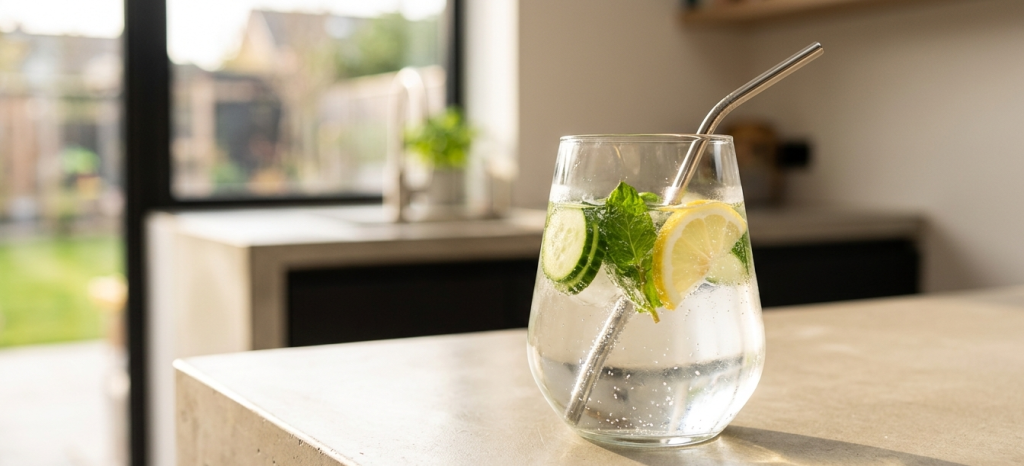
- Practical Tip: Swap sugary drinks, sodas, and commercial juices for plain or infused water. To elevate plain water, infuse it with cucumber slices, fresh mint, lemon wedges, or a teaspoon of raw apple cider vinegar before meals.
Step 6: Master your meal sequence
The order in which you consume food during a meal plays a major role in your glucose response. Eating fiber and protein first creates a protective layer in your digestive tract, significantly slowing down the absorption rate of starches and sugars that follow.
- Practical Tip: When sitting down for lunch or dinner, follow this sequence:
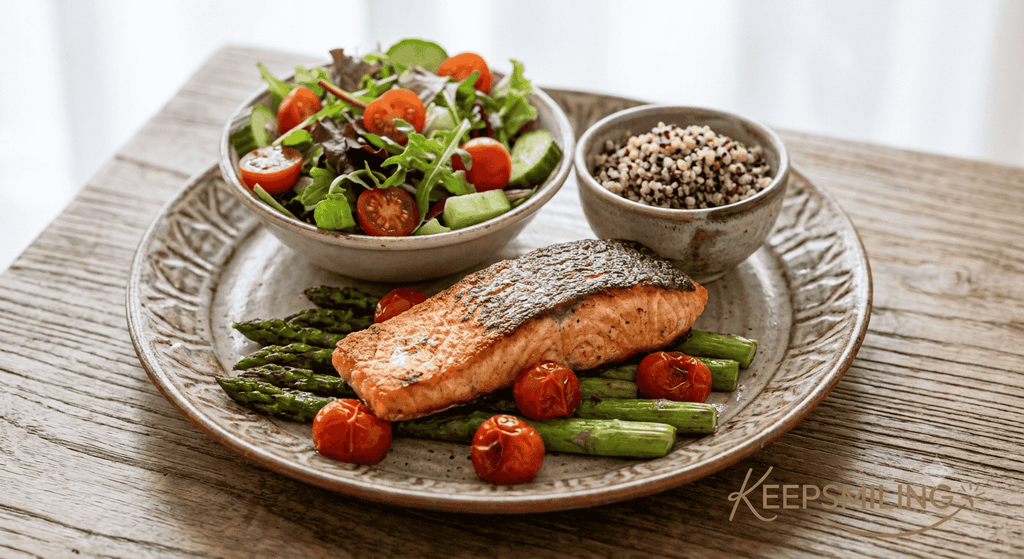
- First: Eat non-starchy vegetables or a fresh salad (Fiber).
- Second: Eat your main protein and healthy fats (e.g., grilled fish, chicken, paneer, or tofu).
- Last: Enjoy complex carbohydrates or starches (e.g., brown rice, quinoa, or roti).
Step 7: Calm your nervous system
Chronic mental or emotional stress triggers the release of cortisol and adrenaline. These hormones prompt your liver to release stored glycogen into the bloodstream as glucose to prepare you for a “fight or flight” scenario, leading to elevated fasting sugar levels even without food intake.
- Practical Tip: Dedicate 10 to 15 minutes daily to nervous system regulation. Practice deep diaphragmatic breathing, write in a journal, practice gentle yoga stretches, or spend quiet time outdoors away from digital devices.

The Takeaway
Managing your blood sugar doesn’t require a strict medical regime or a complete lifestyle overhaul overnight. It’s about building awareness and choosing small, supportive habits throughout your day.
Remember: True health isn’t about restriction; it’s about balance.
When you support your body with the right food pairings, movement, and rest, you give it the tools it needs to keep you energized and steady all day long.
Disclaimer: This content is for informational purposes only and should not replace professional medical advice. Always speak with your doctor or healthcare provider before trying new herbs, supplements, or dietary shifts, particularly if you are managing diabetes or taking prescribed medication.
Apoorva Yadav Kamboj